.jpg)

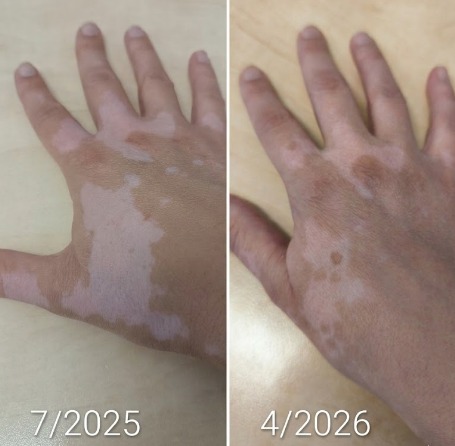
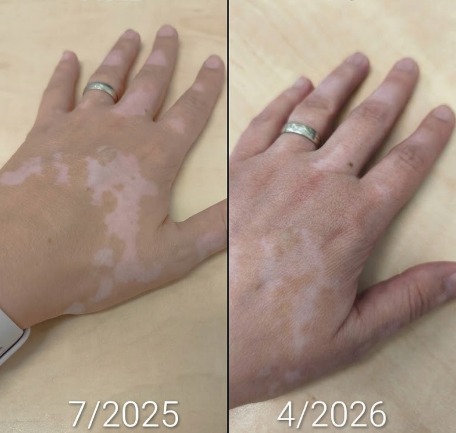
11 items
-
 Add to Favourites
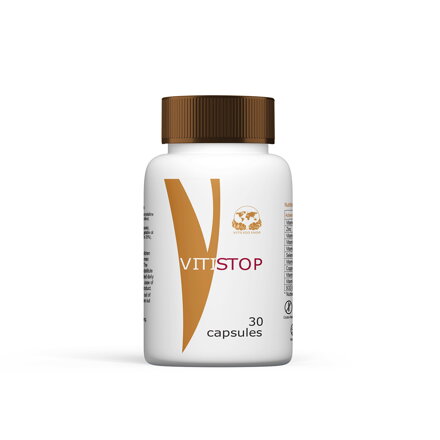
Vitistop "30"- New Formula
(1100021)Supports repigmentation in vitiligo and helps slow the progression of white patches. A potent nutritional supplement featuring patented EXTRAMEL® technology. Vitistop Tablets are more than just a daily supplement, they combines primary and secondary antioxidants to neutralise oxidative stress and protect cells from free radical damage.
In stock (785 Qty)
£24
-
 Add to Favourites
Most Popular
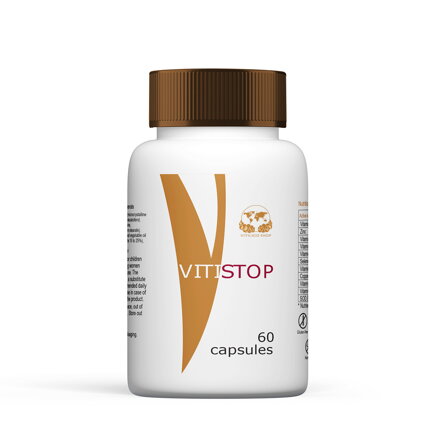
Vitistop "60" - New Formula
(1100022)Vitistop Tablets are a once-daily supplement designed for people with vitiligo who want to support their skin from within. The formula combines patented EXTRAMEL® melon extract (SOD), L-Tyrosine, vitamins and key minerals to support antioxidant defence, normal skin function and natural pigmentation processes.
In stock (77 Qty)
£32
-
 Add to Favourites
Most Popular
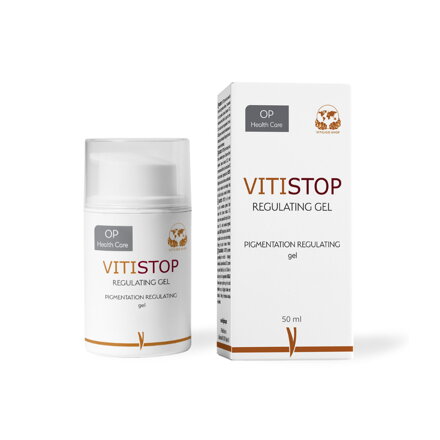
Vitistop Gel
Vitistop Gel is new vitiligo cream developed in collaboration with dermatologists to reactivate dormant pigment-producing cells. Its formula maximises the effects of UVB phototherapy, helping to actively slow the progression of vitiligo and restore lost pigmentation.
In stock
from £40
-
 £121
26%
Add to Favourites
£121
26%
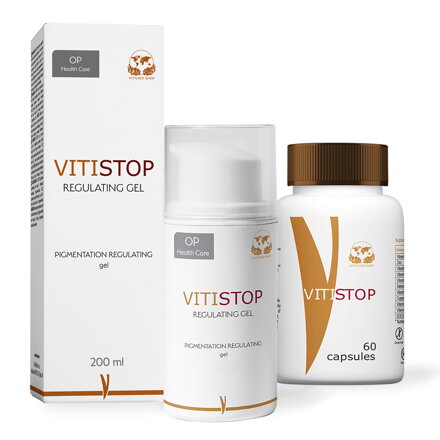
Add to FavouritesVitistop 2-Month Bundle
Support your vitiligo care with Vitistop Gel 200 ml and 60 Vitistop Tablets. Apply the gel 30 minutes before NB-UVB phototherapy or carefully controlled sunlight, and take one tablet daily to provide antioxidant and pigmentation-related nutritional support. Includes a free step-by-step treatment E-Book. NB-UVB lamp not included.
In stock (240 Qty)
£89
£121 Discount 26.4%
-
 Add to Favourites
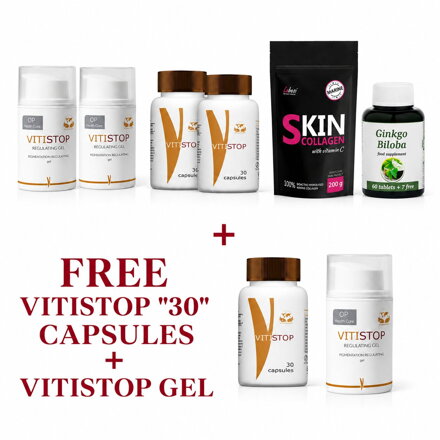
3-Month Vitiligo Treatment Bundle
(1900030)A complete three-month vitiligo routine with Vitistop Gel, Vitistop Tablets, Marine Collagen and Ginkgo Biloba. Includes one extra Vitistop Gel and one extra pack of Vitistop Tablets completely FREE.
In stock (103 Qty)
£135
-
 £169
20%
Add to Favourites
£169
20%
Add to FavouritesMost Popular
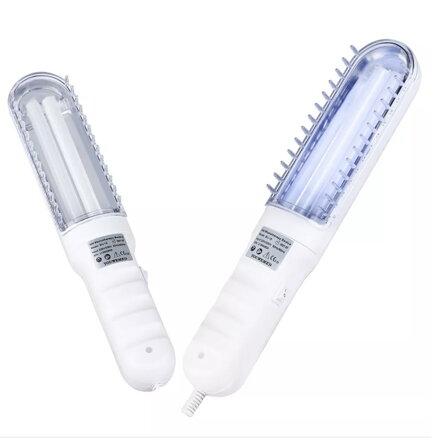
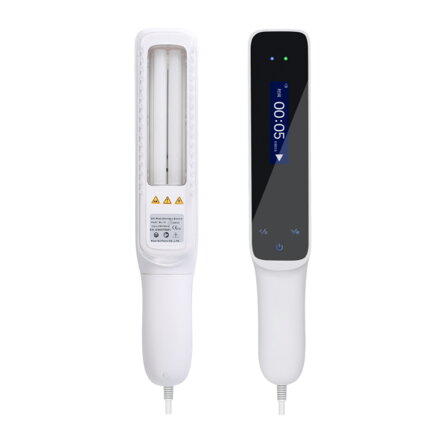
Philips BU-1S UVB Lamp
(1400020)Special Philips UVB lamp for at‑home treatment of vitiligo and psoriasis. Portable, durable and easy to operate. Unique comb‑head design for treating the scalp and body.
In stock (68 Qty)
£135
£169 Discount 20.1%
-
 Add to Favourites
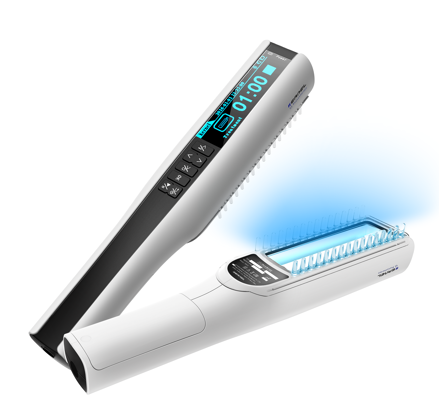
Philips BU-10 UVB Lamp
(1400025)Special Philips UVB lamp designed for the treatment of vitiligo and psoriasis. The LED touchscreen with built-in timer ensures precise and easy control, making it ideal for safe at-home UVB phototherapy.
In stock (73 Qty)
£245
-
 Add to Favourites
New Product
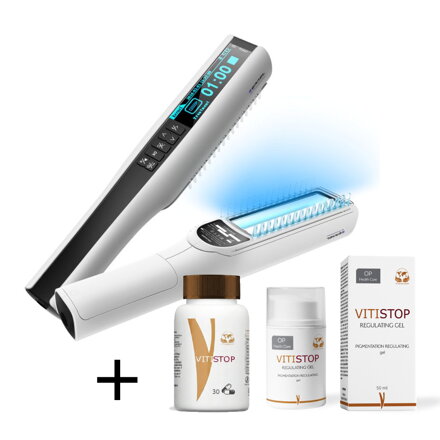
KERNEL KN-4003BL2 UVB 311 nm Lamp
KERNEL KN-4003BL2 is a modern handheld 311 nm narrowband UVB phototherapy lamp designed for convenient home treatment of vitiligo, psoriasis and other UV-responsive skin conditions.It uses a Philips PL-S 9W/01/2P NB-UVB bulb and features an OLED display, built-in treatment timer, integrated reflector and removable comb attachment for scalp treatment and maintaining the correct working...
In stock (71 Qty)
£265
-
 £338
12%
Add to Favourites
£338
12%
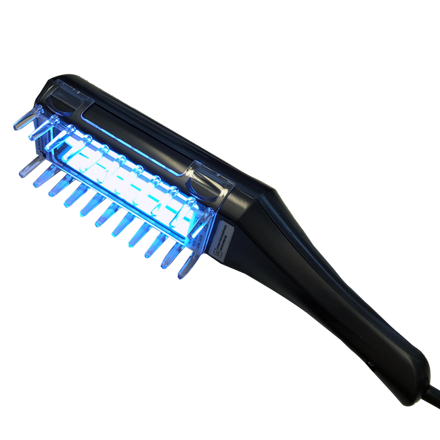
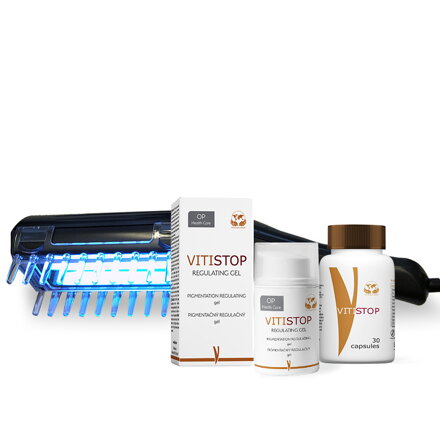
Add to FavouritesKernel 311nm UVB Home Phototherapy Kit
Maximize your at-home therapy by combining the professional Dermalight 80R UVB device with our highly effective Vitistop Gel and Tablets.
In stock (19 Qty)
£295
£338 Discount 12.7%
-
 Add to Favourites
Clinically Used Device
Dermalight® 80R UVB
(1400010)The German medical device Dermalight® 80R UVB is designed for highly effective at-home light therapy for vitiligo, psoriasis, and neurodermatitis, using UVB radiation at a wavelength of 311 nm.
In stock (62 Qty)
£379
-
 £441
11%
Add to Favourites
£441
11%
Add to FavouritesDermalight 311nm UVB Home Phototherapy Kit
Maximize your at-home therapy by combining the professional Dermalight 80R UVB device with our highly effective Vitistop Gel and Tablets.
In stock (22 Qty)
£389
£441 Discount 11.8%