.jpg)

At-Home UVB Phototherapy Devices For Vitiligo & Psoriasis
5 items
-
 Add to Favourites
Most Popular
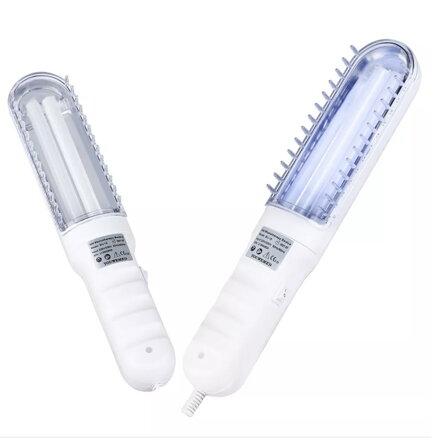
Philips BU-1S UVB Lamp
(1400020)Special Philips UVB lamp for at‑home treatment of vitiligo and psoriasis. Portable, durable and easy to operate. Unique comb‑head design for treating the scalp and body.
In stock (47 Qty)
£135
-
 £275
14%
Add to Favourites
£275
14%
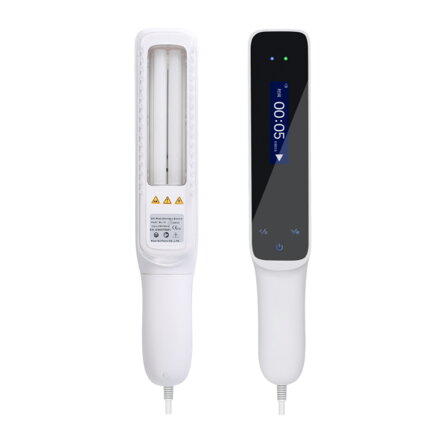
Add to FavouritesPhilips BU-10 UVB Lamp
(1400025)Special Philips UVB lamp designed for the treatment of vitiligo and psoriasis. The LED touchscreen with built-in timer ensures precise and easy control, making it ideal for safe at-home UVB phototherapy.
In stock (57 Qty)
£235
£275 Discount 14.5%
-
 Add to Favourites
Clinically Used Device
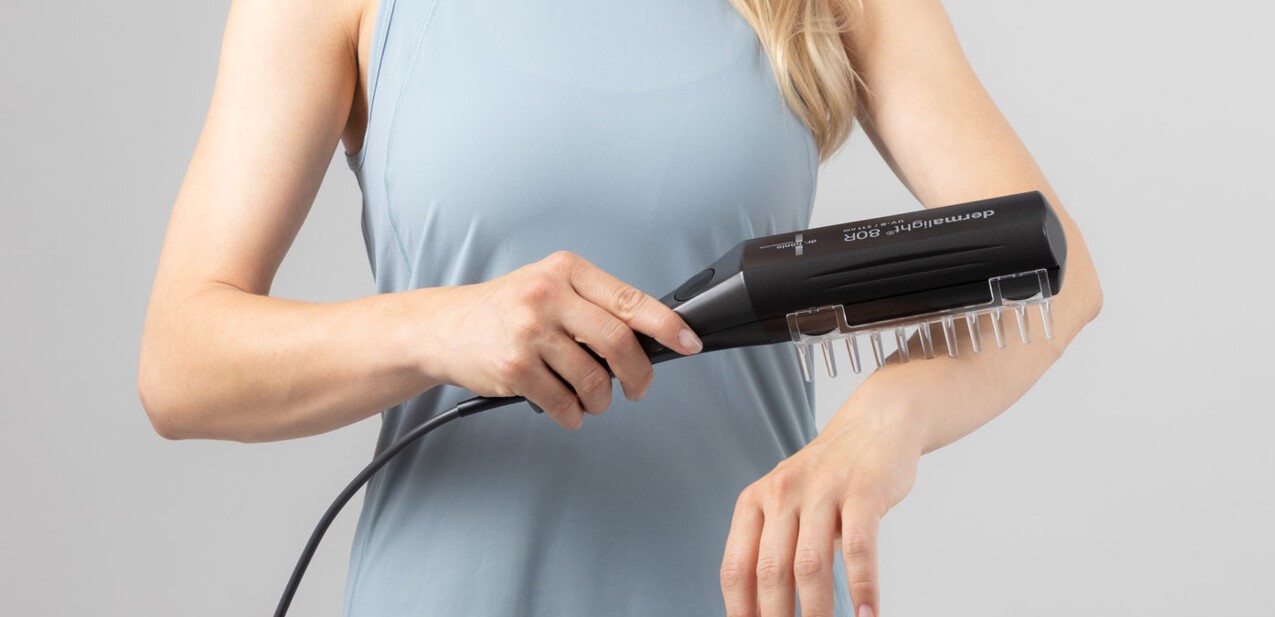
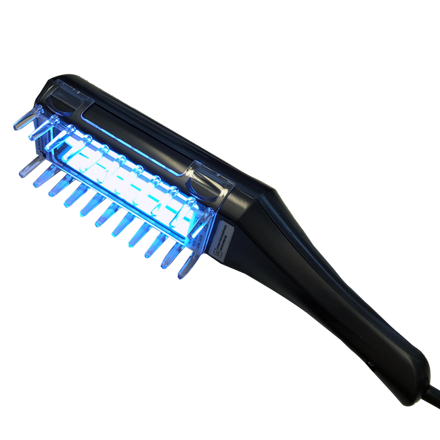
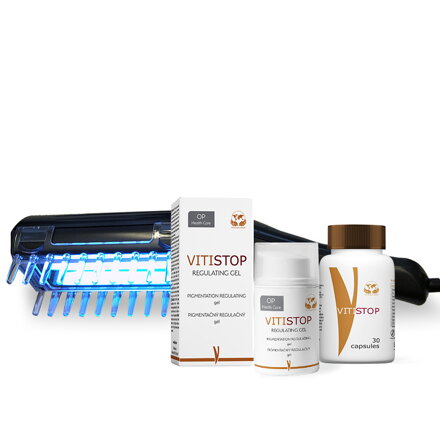
Dermalight® 80R UVB
(1400010)The German medical device Dermalight® 80R UVB is designed for highly effective at-home light therapy for vitiligo, psoriasis, and neurodermatitis, using UVB radiation at a wavelength of 311 nm.
In stock (35 Qty)
£379
-
 £441
11%
Add to Favourites
£441
11%
Add to FavouritesHome NB-UVB Therapy Kit
Maximize your at-home therapy by combining the professional Dermalight 80R UVB device with our highly effective Vitistop Gel and Tablets.
In stock (127 Qty)
£389
£441 Discount 11.8%
-
 Add to Favourites
Most Popular
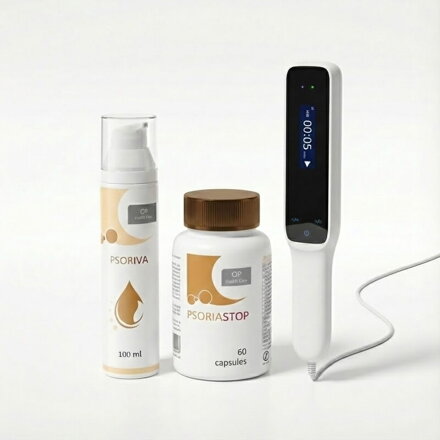
Psoriasis Starter Kit
(8100022)A comprehensive therapy with a dual effect. Combine internal anti-inflammatory support with external skin regeneration for maximum relief from psoriasis.
In stock (63 Qty)
£285
Home UVB Phototherapy Devices for Vitiligo and Psoriasis
Narrowband UVB (NB-UVB) phototherapy is one of the most widely used light-based treatments for vitiligo and psoriasis. The same treatment principle used in many dermatology clinics is now available in handheld devices, making it easier to continue treatment from home.
Whether you’re looking to support repigmentation in vitiligo or reduce inflammation and scaling caused by psoriasis, home phototherapy can make it easier to access treatment and help you stay on track.
Is home phototherapy right for you?
Home phototherapy is typically most suitable for people with a confirmed diagnosis of vitiligo or psoriasis who want a practical way to continue treatment. Many people choose a home device because attending clinic appointments several times per week isn’t realistic.
How do home light therapy devices work?
Home NB-UVB lamps use 311 nm UVB light, the same type of targeted light commonly used in dermatology clinics to treat vitiligo and psoriasis.
In vitiligo, NB-UVB helps create conditions that support repigmentation. In psoriasis, it helps reduce inflammation, redness, scaling, and plaque formation over time.
NB-UVB phototherapy has been used in dermatology for many years and remains one of the most established light-based treatment options for both vitiligo and psoriasis.
Why choose home phototherapy?
Build a treatment routine you can stick to
Phototherapy is often most effective when used consistently. For many people, owning a home device removes one of the biggest barriers to treatment: finding the time to attend repeated appointments.
Home phototherapy allows you to follow the same NB-UVB treatment principle used in clinics. But with treatment available whenever you need it, it’s easier to build a routine that works for your lifestyle and supports long-term consistency.
Fit treatment around your life
Clinic phototherapy often requires multiple appointments every week over several months. A home device allows you to fit treatment around work, family life, and other commitments.
Make consistency easier
Repigmentation and psoriasis improvement take time. Having a device at home makes it easier to maintain the regular treatment schedule that phototherapy depends on.
Treat the areas that matter most
Handheld devices allow you to target specific affected areas directly, whether you’re treating a small vitiligo patch, larger areas of depigmentation, or persistent psoriasis plaques.
Invest in your treatment plan
Many people use phototherapy for months or years. A home device provides ongoing access to treatment whenever you need it, making it a practical option for long-term management.
What results can you expect?
Improvement is usually gradual
Phototherapy requires patience and consistency. While some people notice early changes within a few weeks, meaningful improvement is usually measured in 1-2 months rather than weeks.
Response depends on the condition and area treated
For vitiligo, 4–6 weeks is a realistic timeframe to start seeing progress. The face and neck typically respond more quickly, while hands, fingers, wrists, and feet can be more challenging to treat.
For psoriasis, plaques may soften and become less inflamed before more obvious clearing occurs. Like any treatment, results vary from person to person, but regular treatment over the long term generally produces better outcomes than inconsistent use.
Which home UVB device is right for you?
All of our UVB devices use the same original Philips PL-S 9W/01/2P narrowband UVB medical bulb. This means the treatment effectiveness is identical across all devices. The main difference is not the UVB performance, but the device design, treatment area, extra features, warranty, and how often you plan to use it.
Philips BU-1S UVB Lamp
Our most straightforward home phototherapy device. Compact and easy to use, it’s a popular choice for people starting phototherapy for the first time.
This may be the right option if you:
- Are new to home phototherapy
- Basic model for treating vitiligo or psoriasis patches
- Want a simple, no-frills device
- Are looking for our most affordable option
- 2-Year warranty
Philips BU-10 UVB Lamp
The Philips BU-10 uses the same NB-UVB technology but with extra features such as an integrated timer and display, making it easier to track treatment sessions.
This may be the right option if you:
- Plan to use phototherapy regularly over the long term
- Want greater control over treatment timing
- Prefer additional convenience features
- 2-Year warranty
Dermalight 80R UVB
A premium German-made device for anyone who wants a more advanced model. It also includes a comb attachment that helps deliver UVB light through hair.
This may be the right option if you:
- Expect to use phototherapy for the long term
- Want a premium device with additional accessories
- 4-Year warranty
Still not sure which device to choose?
For many people, the decision is simple:
- Choose the BU-1S if you want a straightforward introduction to home phototherapy.
- Choose the BU-10 if you want extra features and easier treatment tracking.
- Choose the Dermalight 80R if you want our most advanced home phototherapy device, based on technology trusted by clinics.
Our customer support team is happy to help you choose the most suitable device based on the areas you’re treating and your treatment goals.
Home phototherapy treatment principles
Whether you’re treating vitiligo or psoriasis, successful phototherapy is usually built around the same four core principles.
1. Start slowly
Treatment typically begins with short exposure times of around 30 seconds that are increased gradually over time based on how your skin responds.
2. Allow time between sessions
Most home phototherapy routines involve treating affected areas 2 or 3 times each week, leaving 48 hours between sessions.
3. Avoid over-treatment
A mild pink reaction can be normal after treatment, but burning should be avoided. If significant redness occurs, treatment should be paused until the skin has recovered.
4. Consistency matters more than intensity
Phototherapy is rarely a quick fix. For both vitiligo and psoriasis, regular treatment over many months is more important than aggressive dose increases.
For vitiligo patients
Looking for a structured treatment plan? Read our Vitiligo Treatment Protocol for detailed guidance on combining phototherapy with Vitistop Gel, Vitistop Tablets, treatment schedules, and dose escalation.
Before starting treatment, seek medical advice if you do not have a confirmed diagnosis, have a photosensitivity disorder, take medication that increases sensitivity to sunlight, or have a history of skin cancer. Avoid combining a treatment session with prolonged sun exposure on the same day.
Frequently asked questions
Do I need a diagnosis before using a UVB lamp?
Anyone can purchase our UVB lamps, but home phototherapy is most suitable for people with a confirmed diagnosis of vitiligo or psoriasis. If you’re unsure about the cause of your symptoms, we recommend speaking to a healthcare professional before starting treatment.
How often should I use a home phototherapy device?
Most home phototherapy routines for vitiligo and psoriasis involve treating affected areas 2 or 3 times every week, leaving at least 48 hours between sessions. Exposure times should be increased gradually based on your skin’s response.
How long does it take to see results from UVB treatment?
Everyone’s skin responds differently to phototherapy, but it typically takes several months of regular use before you see any noticeable changes. It helps to take photos every few weeks to help you see early signs of improvement and stay motivated with treatment.
Can home phototherapy cure vitiligo or psoriasis?
No, NB-UVB therapy is not considered a cure for vitiligo or psoriasis, but it can help manage symptoms and improve the appearance of affected skin. However, results vary between individuals, and not all areas respond well to treatment.
Can I use a UVB lamp on my face?
Yes. Home UVB devices can be used on areas of the skin with vitiligo or psoriasis anywhere on the body, including the face. As facial skin can be more sensitive, we recommend increasing exposure times more cautiously and gradually.
Which UVB lamp should I choose?
The right device depends on the areas you’re treating and the features you want. The Philips BU-1S is a straightforward entry-level option, the Philips BU-10 includes additional convenience features, and the Dermalight 80R is our premium device.
Who should speak to a healthcare professional before using a UVB lamp?
You should seek medical advice before using a UVB device if you do not have a confirmed diagnosis, have a photosensitivity disorder, take medication that increases sensitivity to sunlight, or have a history of skin cancer.