.jpg)
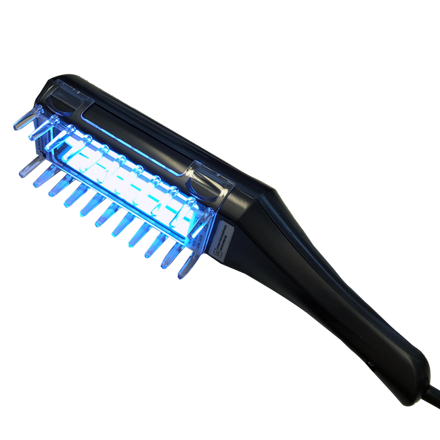
Philips BU-1S UVB Lamp – Medical device and UVB light therapy for vitiligo, psoriasis and eczema
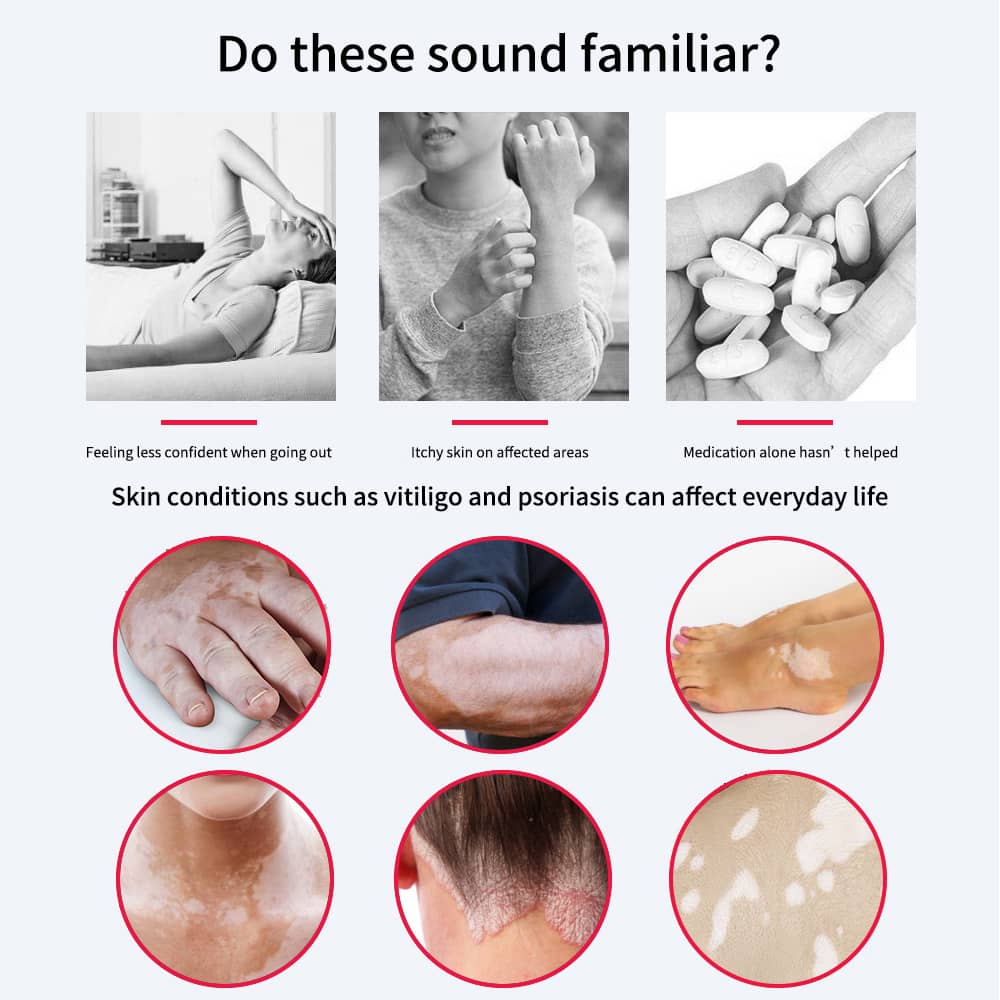
Manage skin conditions effectively and conveniently at home. The Philips BU-1S medical device and UVB lamp emits a precise 311 nm NB-UVB wavelength that supports the treatment of:
- Vitiligo
- Psoriasis
- Atopic eczema
- Seborrhoeic dermatitis
- Other forms of eczema, including hand eczema
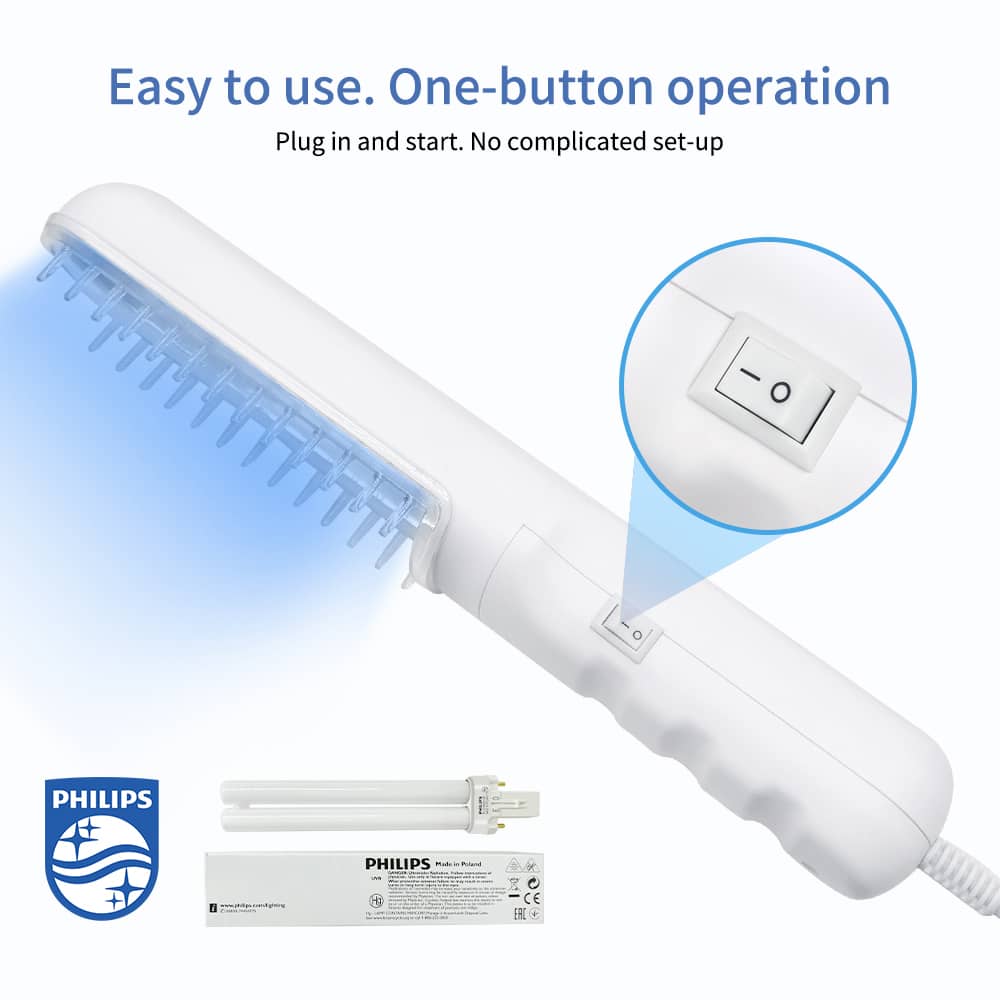
Technical Specifications
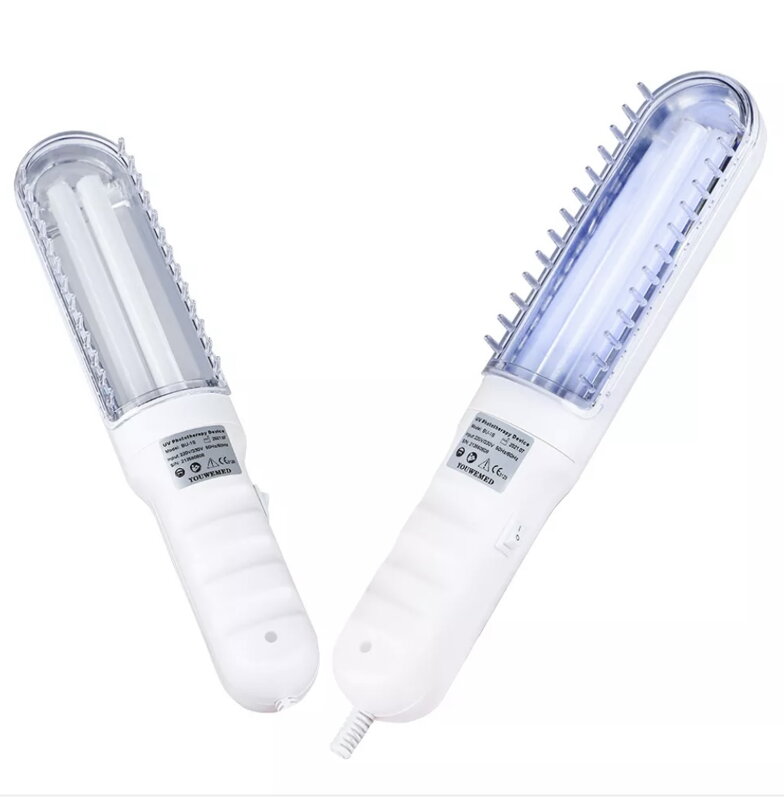
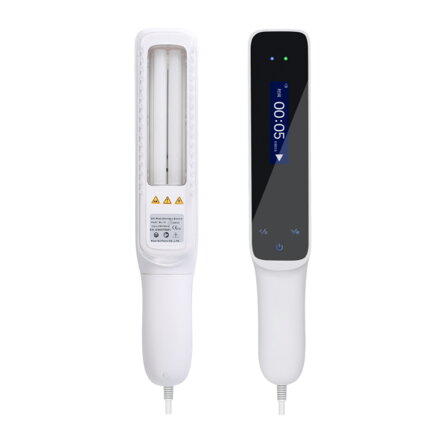
Model: BU-1S with UK plug, powered by Philips PL-S 9W/01 Original Medical Bulb.
Dimensions: 300 × 55 × 45 mm
Weight: 0.48 kg
Emission peak: 311 nm (narrowband UVB)
Irradiance: ≥ 7 mW/cm²
2-Year Warranty as standard
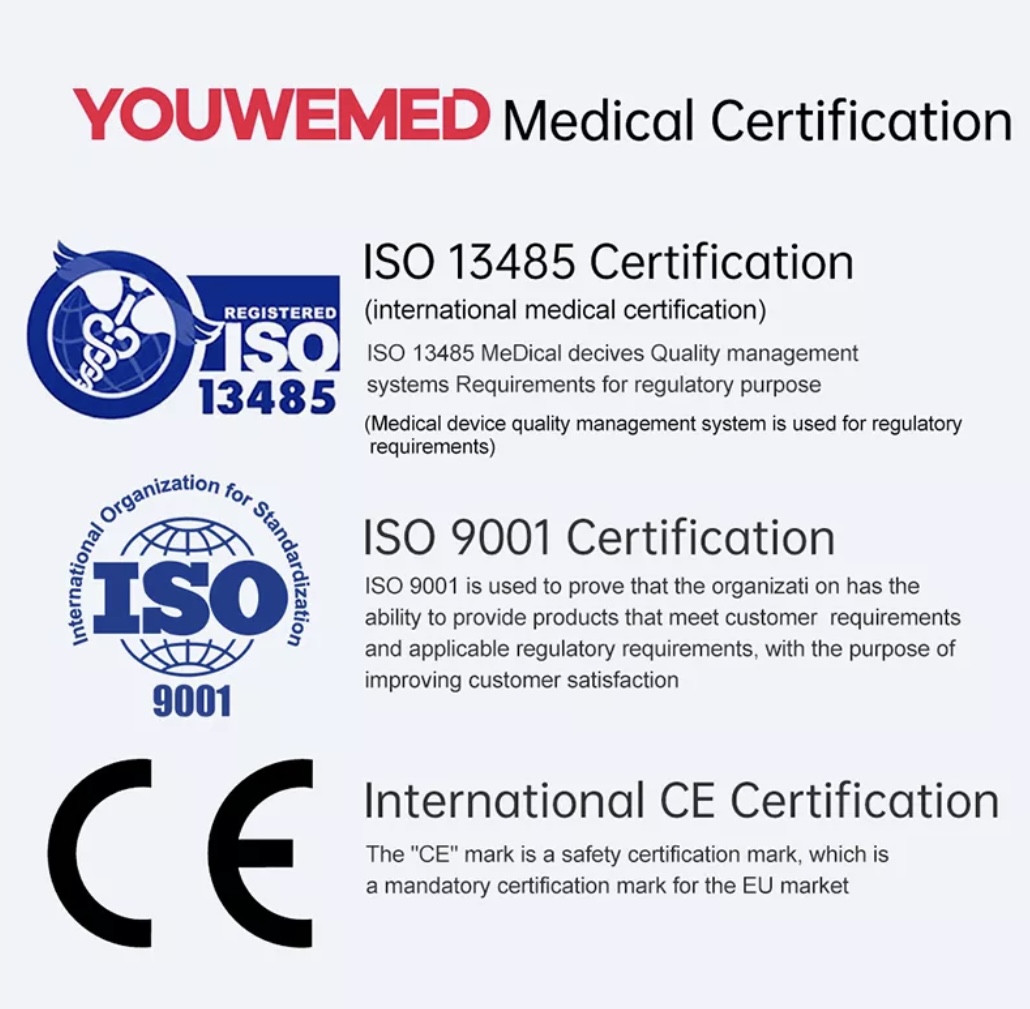
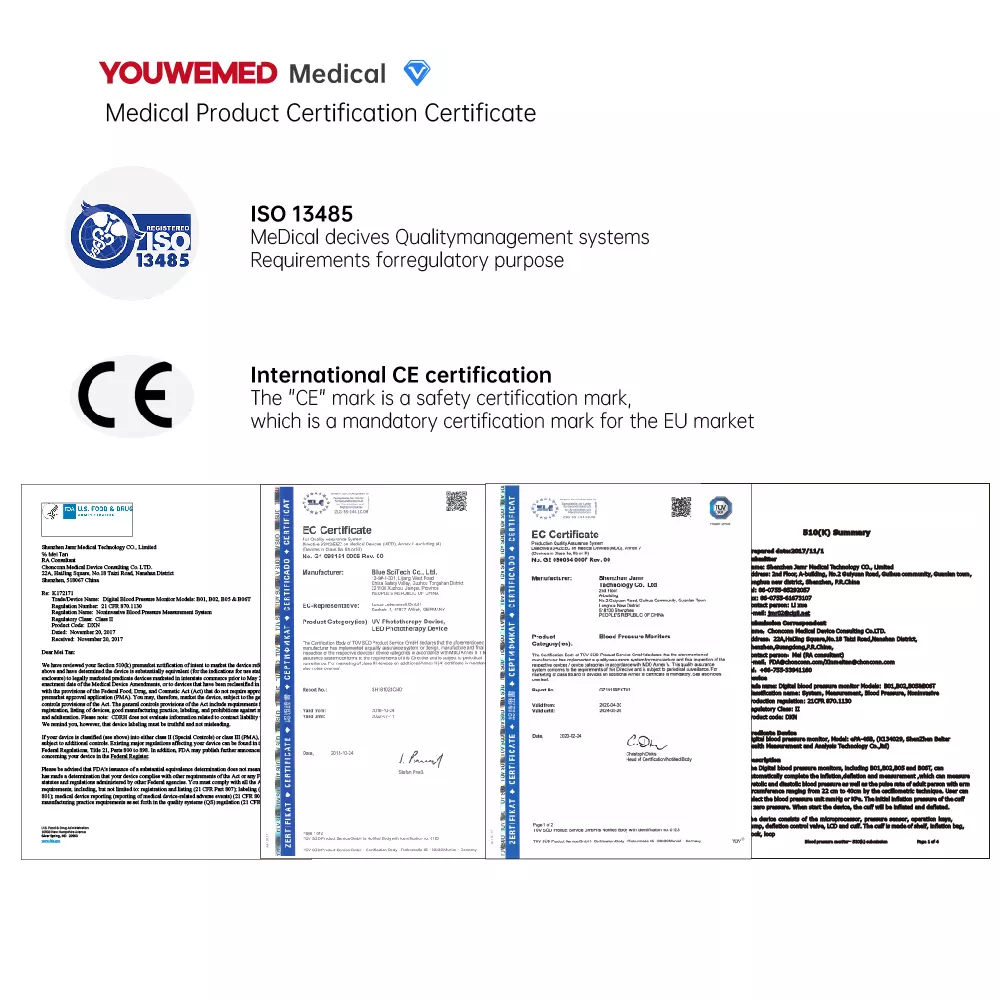
Manufacturer: YouWeMed
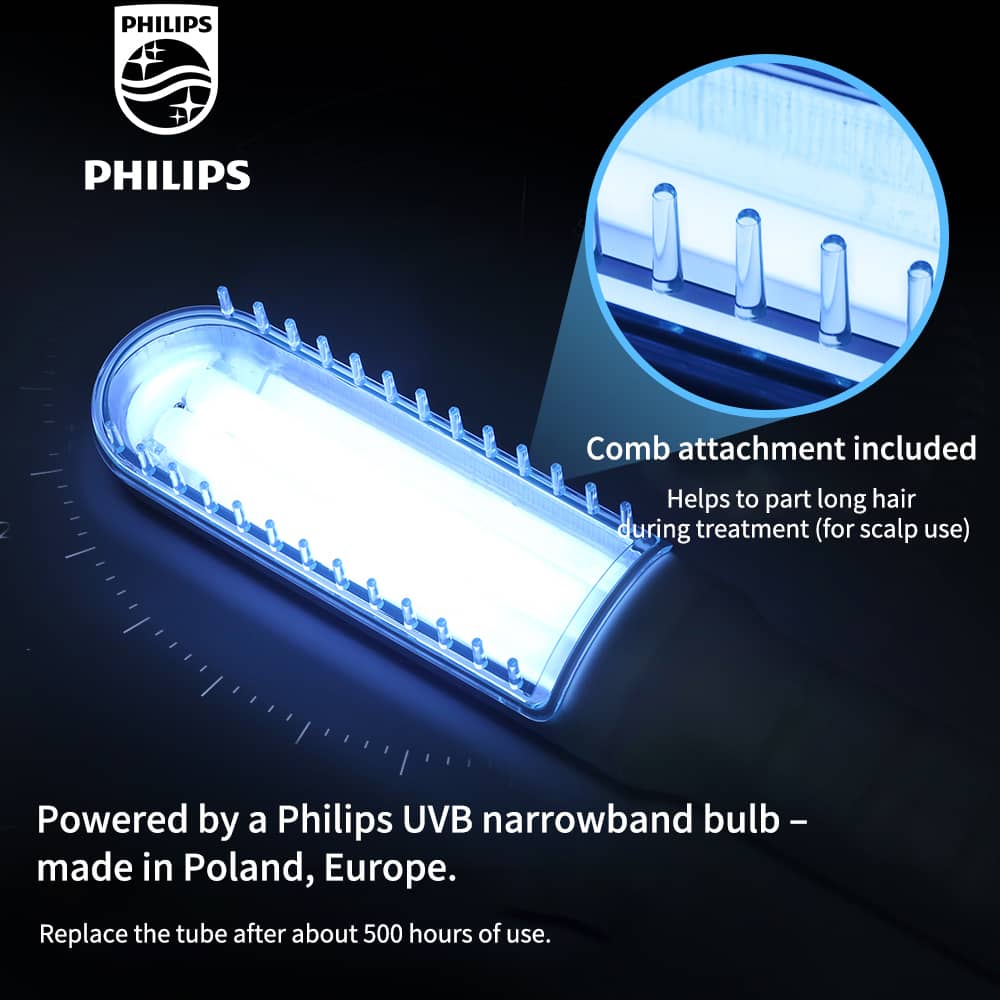
Preparing for Your First Session
- Plug in the mains lead and switch the unit on.
- Initial exposure time (first session):
- Adults: 30 seconds
- Children: 15 seconds
Directions for Use
- Treat 2–3 times per week, leaving at least one full day between sessions.
- Only treat when any redness (erythema) from the previous session has subsided and the skin has fully recovered.
A skin reaction (erythema – redness) typically appears 6–8 hours after exposure:
- No redness: increase the exposure time by 20 seconds at the next session.
- Mild redness: if it clears within 24 hours, increase the exposure by 20 seconds at the next session.
- Noticeable redness (desired response): if the skin is still slightly pink after 24 hours, keep the same exposure time and wait until the redness has completely faded before treating again.
- Marked redness: pause treatment until the skin has returned to normal, then reduce the exposure time by 20%.
- The typical exposure per spot is approximately 3–4 minutes, depending on skin type.
The Philips BU-1S handheld NB-UVB lamp is designed to provide a practical and user-friendly option for home phototherapy for vitiligo, psoriasis and other inflammatory skin conditions. Regular, carefully adjusted treatment can help support gradual improvement over time.
Frequently Asked Questions – Philips BU-1S for psoriasis
Frequently Asked Questions – Philips BU-1S for vitiligo
More from category
Sarah,
13.5.2026 10:34.40

My psoriasis
I’ve had scalp problems since my teenage years (around the age of 17). For a long time, I thought it was “just” seborrhoeic dermatitis, and to be honest, I didn’t visit a dermatologist regularly. A few years ago, psoriasis was mentioned for the first time, and more recently it was confirmed – also in connection with my arthritis. UVB therapy was recommended to me, and I noticed an improvement quite quickly: less itching and fewer new plaques. That’s why I decided to order the lamp for home use. From my side, a clear recommendation for psoriasis – I will definitely share my experience with others.
Emily,
22.3.2026 19:37.30
I’ve had psoriasis for many years and honestly, looking back, I’m quite surprised that no dermatologist ever recommended UVB light therapy to me. After just two months, my results are better than ever before!!!! The only small downside is that the website is mainly focused on vitiligo – without a friend’s recommendation, I probably would never have found the Philips lamp. If I can suggest, maybe you could improve the website a bit in this way. Still, thank you very much.
Helen,
4.2.2026 9:27.05
UVB lamp - psoriasis
We use the UVB lamp for my husband’s psoriasis on the soles of his feet, alongside a psoriasis cream. At the beginning, we treated the areas twice a day, and after three weeks the patches had completely disappeared. For maintenance, we now use the lamp only three times a week. We are very happy with the lamp.
Daniel,
4.2.2026 9:23.07
Vitiligo Treatment
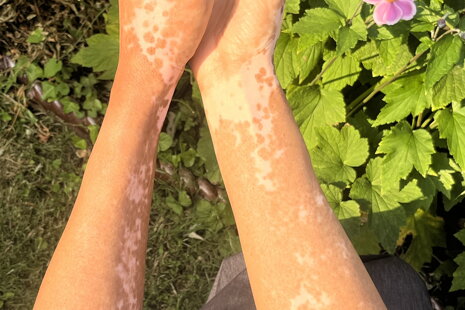
I ordered the phototherapy lamp together with the recommended products, and I have to say it truly exceeded my expectations. A huge advantage is the guidance you receive alongside it – thanks to this, I knew from the very beginning how to combine the lamp and the products properly. With consistent use, following the recommendations and making a few small lifestyle adjustments, you really do start to see results. In my case, pigment has even started to return on the back of my hand – exactly in an area where progress is usually extremely slow. Thank you for the very friendly and supportive service. I would recommend this to anyone dealing with the same condition – sticking with it really pays off.
Richard,
2.4.2025 11:29.54
psoriasis
I've been using the Philips UVB lamp for my psoriasis treatment over the past few weeks. It has noticeably reduced my symptoms, and I'll certainly continue with the treatment.


Richard,
2.4.2025 10:29.54
psoriasis
I've been using the Philips UVB lamp for my psoriasis treatment over the past few weeks. It has noticeably reduced my symptoms, and I'll certainly continue with the treatment.
£135



New comment