.jpg)
Ginkgo biloba and vitiligo
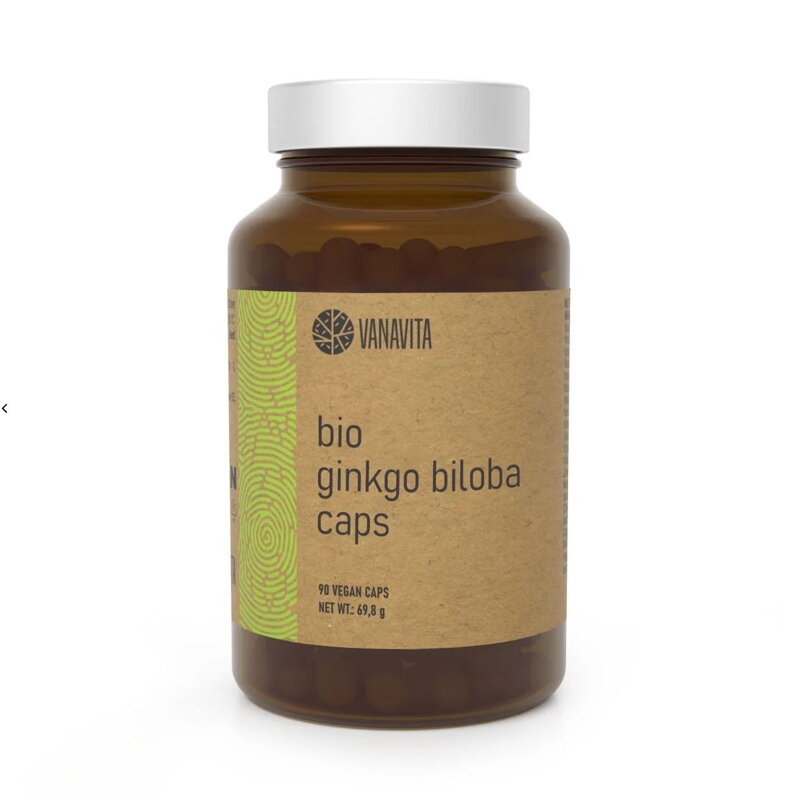
What is Ginkgo biloba and why do we offer it at Vitiligo Shop?
Ginkgo biloba is one of the oldest known tree species in the world. Extract obtained from its leaves has traditionally been used for a variety of health-related purposes, including supporting memory and healthy blood circulation.
In relation to vitiligo, Ginkgo biloba is valued primarily for its potential antioxidant and immunomodulatory properties.
The main active compounds in Ginkgo
Terpene lactones
Standardised Ginkgo extracts usually contain approximately 6% terpene lactones.
Flavone glycosides
Standardised extracts usually contain approximately 24% flavone glycosides, also known as flavonoids.
Ginkgo extracts are generally produced from dried leaves and standardised to ensure a consistent concentration of their principal active compounds.
How may Ginkgo support people with vitiligo?
In addition to genetic predisposition, oxidative stress and autoimmune activity are considered important mechanisms involved in the development and progression of vitiligo. Ginkgo extract has repeatedly been studied for its potential antioxidant and immunomodulatory effects in relation to these mechanisms.
Ginkgo biloba may help support the skin’s natural antioxidant defence and influence immune responses associated with melanocyte damage.
Antioxidant activity
Flavone glycosides and proanthocyanidins have antioxidant activity against a broad range of free radicals and reactive oxygen species, including peroxides that may be present in the skin.
These compounds may help neutralise free radicals and support the activity of the skin’s natural antioxidant enzymes. They may also help protect against lipid peroxidation, one of the most common free-radical reactions in the body.
Ginkgo may support the activity of superoxide dismutase, an important antioxidant enzyme involved in the skin’s defence against reactive oxygen species. By reducing oxidative stress, it may help protect melanocytes from further damage.
Immunomodulatory properties
Certain active phytochemicals in Ginkgo may influence T lymphocytes and modify the immune response. This may help reduce immune activity directed against melanocytes.
Blood circulation and nutrient supply
Ginkgo may also support blood flow to the skin, potentially improving the delivery of oxygen and nutrients to melanocytes. This may contribute to the recovery of weakened melanocytes and support the natural repigmentation process.
Scientific research
Clinical studies of Ginkgo biloba and vitiligo
Placebo-controlled study involving 52 patients
A total of 52 patients were divided into two groups. The treatment group received 40 mg of Ginkgo biloba extract three times daily, while the control group received the same dosage of a placebo.
According to the published results, the difference between the Ginkgo group and the placebo group was statistically significant. Ten patients in the Ginkgo group experienced marked or complete repigmentation, and no serious adverse reactions were reported during the study.
Twelve-week open-label study
Twelve patients received 60 mg of standardised Ginkgo extract twice daily for 12 weeks.
The Vitiligo Area Scoring Index and Vitiligo European Task Force assessment methods were used to evaluate the area and intensity of depigmentation. The reported results indicated stabilisation of depigmentation progression among the participating patients.
Study involving 47 patients
In another study, 47 patients received 120 mg of standardised Ginkgo extract for six weeks.
According to the reported results, improvement was observed in approximately 80% of participants, while repigmentation was reported in approximately 40%.
Study results do not guarantee the same outcome for every individual. Vitiligo treatment and response may vary considerably between patients.
Possible side effects and contraindications
Although Ginkgo is generally considered well tolerated, some users may experience digestive discomfort, headaches or allergic skin reactions.
- People with epilepsy or a history of seizures should consult a doctor before using Ginkgo.
- Ginkgo may reduce platelet activity and increase the risk of bleeding.
- Consult a doctor before combining Ginkgo with aspirin, ibuprofen, anticoagulants or other blood-thinning medicines.
- Ginkgo should not be combined with selective serotonin reuptake inhibitor antidepressants without medical supervision, as this may increase the risk of serotonin syndrome.
Recommended daily intake
1 capsule daily
Take before a meal and swallow with a sufficient amount of liquid.
Package size
67 capsules
Do not exceed the stated recommended daily intake.
Composition
| Active ingredient | Amount per capsule |
|---|---|
| Ginkgo biloba extract | 40 mg |
| Flavone glycosides | 24% |
| Terpene lactones | 6% |
Important information
This product is not suitable for children, pregnant women or breastfeeding women. It contains caffeine. Food supplements should not be used as a substitute for a varied and balanced diet and a healthy lifestyle. Keep out of the reach of children. Do not exceed the stated recommended daily intake.


£9









New comment